🔴 LIVE

Future Fitness Pulse

📈 24h Updates 🌐 Global
Speed: 1x
🚨 BREAKING: New study reveals quantum effects in cognitive performance
Showing posts sorted by relevance for query Smart fitness. Sort by date Show all posts

Tuesday, September 16, 2025

What you need to know about Smart fitness

What you need to know about Smart Fitness

Hemdan M. Aly | QSComm Advisor

Smart fitness has become a popular trend in recent years, with more and more people turning to Technology to help them achieve their health and fitness goals. From wearable fitness trackers to smart workout equipment, there are now countless devices and apps on the market designed to help individuals track their progress, set goals, and stay motivated. We will explore the various ways in which smart fitness technology is being used to improve health and wellness, as well as the potential benefits and drawbacks of incorporating these tools into a fitness routine. 

Benefits of Smart Fitness Technology

One of the key benefits of smart fitness technology is its ability to provide users with real-time feedback on their progress. Wearable fitness trackers, for example, can monitor things like heart rate, steps taken, and calories burned, allowing users to see how their activity levels compare to their goals. This feedback can be incredibly motivating, helping individuals stay on track and make adjustments to their routines as needed.
Smart fitness technology can also help individuals set and achieve specific fitness goals. Many apps and devices come with built-in goal-setting features that allow users to track their progress over time and set new goals as they reach milestones. This can be particularly helpful for individuals who struggle to stay motivated or who have a hard time sticking to a consistent fitness routine.
Another key benefit of smart fitness technology is its ability to provide personalized workout recommendations. Many apps and devices use algorithms to analyze user data and provide customized workout plans based on individual goals, fitness levels, and preferences. This can be especially helpful for beginners who may not know where to start or for more experienced individuals looking to shake up their routine.
In addition to tracking progress and setting goals, smart fitness technology can also help individuals stay accountable. Many apps and devices come with social features that allow users to connect with friends, family, and even strangers who share similar fitness goals. This can create a sense of community and support, making it easier for individuals to stay committed to their fitness goals.
Potential Drawbacks
While there are many benefits to incorporating smart fitness technology into a fitness routine, there are also some potential drawbacks to consider. 
One concern is the potential for over-reliance on technology. Some individuals may become so focused on tracking their progress and hitting their goals that they lose sight of the bigger picture, such as overall health and well-being.
There is also some debate about the accuracy of certain smart fitness devices. While many devices have become increasingly sophisticated in recent years, there is still some variability in terms of how accurately they track things like heart rate, steps taken, and calories burned. This means that users may need to take the data provided by these devices with a grain of salt and listen to their bodies to ensure they are getting an accurate picture of their fitness levels.
In Sum, smart fitness technology has the potential to revolutionize the way we approach health and fitness. By providing users with real-time feedback, personalized workout recommendations, and a sense of accountability, these devices and apps can help individuals stay motivated and on track towards achieving their fitness goals. 
However, it is important to be mindful of the potential drawbacks of relying too heavily on technology and to use these tools as a complement to, rather than a replacement for, a well-rounded fitness routine. With the right balance, smart fitness technology can be a valuable asset in helping individuals live healthier, more active lives. 

The integration of Internet of Things (IoT) wearables into our fitness routines has revolutionized the way we track, monitor, and improve our physical health. These innovative devices have the ability to collect and analyze data about our body's movements, heart rate, and overall performance, providing us with valuable insights that can help us achieve our fitness goals more effectively. 

IoT wearables potential physical risks

However, along with the benefits of using IoT wearables, there are also potential physical risks that users should be aware of. One of the main physical risks associated with using IoT wearables in our fitness routines is overexertion. With the constant tracking and monitoring of our physical activities, it can be tempting to push ourselves beyond our limits in order to achieve better results. This can lead to overtraining, which can put excessive strain on our muscles, joints, and cardiovascular system. 
Overtraining can result in injuries such as muscle strains, stress fractures, and even heart problems if not properly managed. It is important for users to listen to their bodies and avoid pushing themselves too hard, even if the data from their wearables suggests they can do more. 

Another physical risk to be mindful of when using IoT wearables is the potential for incorrect data readings. While these devices are designed to provide accurate information about our physical activities, they are not immune to errors. Factors such as improper placement of the wearable device, low battery levels, or technical glitches can lead to inaccurate readings, which can impact our workout routines and overall health. Users should regularly calibrate their devices, double-check the data collected, and seek professional guidance if they suspect any discrepancies in the information provided by their wearables. Furthermore, wearing IoT devices continuously on our bodies can also pose a physical risk in terms of skin irritation and discomfort. 

The material used in some wearables may not be breathable or hypoallergenic, leading to skin rashes, redness, or itching. Additionally, wearing a device too tightly or for extended periods of time can cause pressure sores or chafing, especially during intense physical activities. 

It is important for users to choose wearables made from skin-friendly materials, adjust the fit of the device to ensure comfort, and take breaks from wearing the device to allow the skin to breathe and recover. 
In addition to these physical risks, the reliance on IoT wearables for monitoring our fitness activities can also lead to psychological consequences. The constant tracking and comparison of our physical performance data can create a sense of pressure to constantly improve and meet certain metrics, which can result in anxiety, stress, and even obsession with numbers. 
This can have detrimental effects on our mental well-being and overall enjoyment of exercising. It is essential for users to maintain a healthy balance between using wearables for monitoring progress and listening to their bodies' needs and limitations.

Guidelines To mitigate the physical risks associated with using IoT wearables

To mitigate the physical risks associated with using IoT wearables in our fitness routines, it is important for users to follow these guidelines: 
1. Listen to your body: Pay attention to how your body feels during and after workouts. If you experience pain, fatigue, or discomfort, take a break and seek medical advice if necessary. 

2. Set realistic goals: Do not solely rely on the data from your wearables to determine your fitness progress. Set achievable goals based on your own capabilities and preferences. 

3. Properly maintain your wearable device: Regularly clean and calibrate your device to ensure accurate readings. Replace worn-out bands or straps to prevent skin irritations. 

4. Take breaks: Allow your body to rest and recover between workouts. Avoid overexertion and give yourself time to recharge both physically and mentally. 

5. Seek professional guidance: Consult with a fitness trainer, physical therapist, or healthcare provider if you have any concerns about using IoT wearables in your fitness routine. 

While IoT wearables offer numerous benefits for enhancing our fitness routines, it is crucial to be aware of the potential physical risks associated with using these devices. By taking proactive measures to address these risks and being mindful of our body's signals, we can enjoy the advantages of wearable technology without compromising our physical well-being. 
Remember, the ultimate goal of integrating IoT wearables into our fitness routines is to improve our health and wellness in a safe and sustainable manner.

References
1. Finkelstein, E. A., Haaland, B. A., Bilger, M., Sahasranaman, A., & Sloan, R. A. (2016). Effectiveness of activity trackers with and without incentives to increase physical activity (TRIPPA): a randomised controlled trial. The Lancet Diabetes & Endocrinology, 4(12), 983-995. 
2. Middelweerd, A., Mollee, J. S., van der Wal, C. N., Brug, J., & Te Velde, S. J. (2014). Apps to promote physical activity among adults: a review and content analysis. International Journal of Behavioral Nutrition and Physical Activity, 11(1), 97.



Related Topics 

Wednesday, May 8, 2024

Market Entry Strategies for Fitness Industry Brands eyeing Egypt

FITNESS INDUSTRY MARKET IN EGYPT

FITNESS INDUSTRY MARKET IN EGYPT 

Egypt is one of the most promising markets in the Middle East and is expected to grow annually by 11% and future growth exceeding $2 billion until the year 2030.In this article, we will take a closer to the current size of the fitness Industry market Size in Egypt and a deep market analysis for the famous Fitness retailers in Egypt that are leading the way in the smart fitness industry. In addition to that providing estimations for Fitness Industry Market Size in Egypt and its future growth.

HIGHLIGHTS 

  • The fitness Industry market size in Egypt is estimated to be around $900 million.
  • Egypt is one of the most promising markets in the Middle East and is expected to grow annually by 11% and future growth exceeding $2 billion until the year 2030.
  • Fitness Industry Market Size in Egypt estemated to grow by 11% Yearly 
  • Gym Memberships estimated 957.000 Registered Members  
  • Fitness Equipment Sales estimated by $ 552 million during 2026
  • Total Fitness Market Size reached to $864 million during 2026

➡️FEATURES OF THE FITNESS INDUSTRY MARKET IN EGYPT 

        The fitness Industry market in Egypt has been steadily growing over the past few years as more and more people are becoming health-conscious and are looking to improve their overall well-being. 

With a population of over 120 million people, Egypt offers a large and diverse market for fitness-related products and services. The sports industry in Egypt constitutes 25% of the volume of sports investment in the Arab world, and contributes 2.7% of the total investments in various sectors within Egypt, and an estimated 8% of investment in the tourism sector, the return of which is linked to the sports sector, according to a study by the Egyptian Center for Studies. 

The economic contribution of the sports sector to the gross domestic product is estimated at 1.8% in 2026. This sector has witnessed major changes Starting in 2017 through the issuance of Sports Law No. 71 of 2017, which came in line with global changes in the field of sports and not limiting it within the framework of activities and practice only, but rather looking at it as an industry and investment activity, as it opened the field of The investment achieved many aspects of decentralization that contributed to the ease and support of decision-making.

➡️Egypt's National Youth and Sports Strategy (2025–2032)

The United Nations Resident Coordinator in Egypt, Elena Panova, praised the launch of Egypt's National Youth and Sports Strategy (2025–2032) on August 12, 2025, during International Youth Day. Held in the New Administrative Capital under Prime Minister Mostafa Madbouly's patronage, the strategy—presented by Minister Dr. Ashraf Sobhy—positions sport as a cultural force and driver of development, emphasizing youth empowerment, inclusion, and sustainable growth. Developed through extensive consultations (21 workshops, 10,000+ youth surveyed, 400+ measures), it rests on four pillars: comprehensive youth/adolescent development, sport as a lifestyle, competitive sports/creativity, and improved governance. UN leaders like UNFPA's Yves Sassenrath and UNICEF's Natalia Winder Rossi highlighted youth leadership and alignment with SDGs, noting UN-supported initiatives like Shabab Balad and skills programs reaching 364,000+ people in 2024.on

➡️SEGMENTAL ANALYSIS OF THE EGYPTIAN FITNESS INDUSTRY MARKET 

According to the surveys, the number of fitness centers in Egypt is 1680 Centers.While another study indicated that the number of private clubs inside and outside tourist facilities, according to obtaining licenses to practice the profession, is only 596 centers. Surveys specialized in the fitness sector have found that there is a diversity of names prevailing among community groups and fitness professionals, including fitness centers, gyms, fitness studios, physical rehabilitation centers, and fitness academies. 

The Egyptian  Fitness  market  characterized by:

1-The Availability of infrastructure indicators for the communications and technology sector

2- The availability of Technology Acceptance indicators according to the Technology Acceptance Model known as (TAM)

The Fitness Market in Egypt can be divided into Several Segments, including

 1- Gym Memberships

 2- Fitness Equipment Sales

 3- Sports Apparel

4-  Dietary Supplements.

SEGMENTAL ANALYSIS OF THE EGYPTIAN FITNESS INDUSTRY MARKET

* According to a survey conducted by CAPMAS, the Central Agency for Public Mobilization and Statistics in Egypt

  Gym Memberships 

  Gym memberships have been on the rise in Egypt, with an increasing number of people looking to join gyms to stay fit and healthy. According to one of the surveys conducted in 2020, only about half a million members are registered in all sports federations. Therefore, the importance of national projects and sports initiatives is highlighted to improve fitness skills and develop awareness and the culture of practicing sports as a way of life

  Fitness Equipment Sales 

  The demand for fitness equipmentint in  the Egyptian Fitness Market such as treadmills, dumbbells, and resistance bands, has also been increasing as more people are setting up home gyms to workout in the comfort of their own homes. 

Top Online Stores in the Egyptian Sports Equipment Market In 2023, the top five online stores in the Egyptian sports equipment market are amazon.eg, carrefouregypt.com, shein.com, homzmart.com, and decathlon.eg.
Sports clothing, sports shoes, and sports equipment constituted the largest percentage of online purchase volume, at 48.8%.
While the percentage of purchases of electronic games represented 1.3% of the total percentage of purchases via online shopping
As for the sites and applications most used in online Shopping they are Facebook, WhatsApp groups, company websites, Jumia, OLX, and Amazon.
According to a survey conducted by CAPMAS, the Central Agency for Public Mobilization and Statistics in Egypt

➡️Sports Apparel In The Egyptian Fitness Market 

Sports apparel is another important segment of the fitness market in Egypt, with many people looking to invest in activewear that is comfortable and stylish. Brands like Nike, Adidas, and Under Armour have a strong presence in the Egyptian market and are considered to be popular choices among consumers. 

  Dietary Supplements 

Dietary supplements, such as protein powders, vitamins, and meal replacements, are also in high demand as more people are looking to supplement their diets with essential nutrients to support their fitness goals. According to market research reports, the fitness market in Egypt is currently estimated to be worth around $2 billion. This includes revenue from gym memberships, fitness equipment sales, sports apparel, and dietary supplements.  However, this number is expected to increase significantly in the coming years as the fitness industry continues to grow and evolve in Egypt.

➡️MARKET DYNAMICS OF THE FITNESS INDUSTRY MARKET IN EGYPT 

   key factors driving the growth of the fitness market in Egypt

Estadat is a consultancy and project management entity for the sports facilitates operation and management in egypt. Estadat was established with the goal of applying experience  gained in operating and managing Sports industry, to enhance the overall operation of sport venues in Egypt.

 The Increasing Awareness 

One of the key factors driving the growth of the fitness market in Egypt is the increasing awareness of the importance of leading a healthy lifestyle. People are becoming more conscious of their diet and exercise habits and are actively seeking out ways to improve their overall health and well-being. This has led to a surge in demand for fitness-related products and services, creating new opportunities for businesses to capitalize on the growing market. 

Beside that the Egyptian hero's of the Fitness and sports like Mohammad Salah Football Legend BIG RAMY IN THE BODYBUILDING WORLD  and others Contribute to spread the fitness among youths  and all the community.

   The Rise of Social Media Influencers 

Another factor contributing to the growth of the fitness market in Egypt is the rise of social media influencers and celebrities who promote fitness and wellness trends. Many people are inspired by these influencers and are motivated to adopt healthier lifestyles, which has further fueled the demand for fitness products and services in the country.

         Research Centers in Fitness in Egypt 

 In addition to this, Egypt has taken some other steps to develop the sports industry, 

  1. The establishment of the National Stadiums Company, in order to manage many projects, bodies, stadiums, and stadiums, in addition to organizing the most important and largest sporting events.
  2. The Egyptian Society for Sports Sciences (ESSS)
  3. Egyptian National Research Institute of Sport Science (ENRISS) 

 ➡️SMART FITNESS INDUSTRY IN EGYPT 

The  Smart Fitness ecommerce market continues to grow, several retailers in Egypt have emerged as key players in providing consumers with a wide range of options to choose from. These retailers offer a diverse selection of smart fitness products, ranging from wearable technology to home gym equipment. 

| Ecommerce Infrastracture in Egypt-2022 | 

number of Internet users via mobile phones69 million | 
number of Internet users via USB modem        
: 2 million | 

| The Volume of Ecommerce in Egypt -2025

Noon  : $290 million | 
Amazon's sales volume   : $196 million | 
BTech website : $35 million |
Iowaikik  : $35 million | 
Carrefour Egypt  : $35 million

* According to a survey conducted by CAPMAS, the Central Agency for Public Mobilization and Statistics in Egypt

|Top Online Stores in the Egyptian Sports Equipment Market -2025|

| amazon.eg                   : US$1.7 million |
| carrefouregypt.com  : US$1.4 million |
| shein.com                     : US$0.4 million|
According to the eCommercedb website regarding the volume of e-commerce in Egypt during the year 2023.

Top Online Stores in the Egyptian Sports Equipment Market In 2025, Amazon.eg leads with revenues of US$1.7 million, followed by carrefouregypt.com with US$1.4 million and shein.com with US$0.4 million in sales. Together, these top three online stores represent 80.3% of the top 25 stores in the Egyptian sports equipment market. Rankings are determined by eCommerce net sales in 2025.
The percentage of Egyptian families using e-commerce reached 72%, searching for goods and services, 50% of them purchase goods and services. The proportion of purchases of clothing, shoes, equipment and sports equipment reached 48% of the total proportion of goods and services purchased, according to the CAPMAS study in 2022.
With regard to smart fitness, research indicates that one of the reasons that drive the purchase and acquisition of IOT is cognitive reasons, social reasons and motivational reasons, but emotional attraction has a clear role in buying IOT.
As for the obstacles, they are represented in varying levels of purchasing power and income levels, as well as concerns about cybersecurity risks associated with those devices. 

    1. Fitness Time 

      One of the most well-known retailers in Egypt's smart fitness market is Fitness Time. With multiple locations across the country, Fitness Time offers a comprehensive range of fitness equipment and accessories to cater to every individual's needs. From treadmills and ellipticals to dumbbells and resistance bands, Fitness Time has everything you need to create your own home gym. Moreover, the retailer also provides personalized training programs and nutrition plans to help customers reach their fitness goals effectively. 

     2. GymSport 

Another prominent player in the smart fitness industry in Egypt is GymSport. GymSport is a one-stop shop for all things fitness-related, offering a wide variety of products such as smartwatches, activity trackers, and heart rate monitors. In addition to selling fitness equipment, GymSport also provides fitness classes and personalized training sessions to help customers make the most out of their purchases. Their knowledgeable staff is always on hand to assist customers in finding the right products to suit their specific needs. 

       3. Adidas 

For those looking for high-quality smart fitness apparel, Adidas Egypt is the go-to destination. Adidas is a globally recognized brand known for its innovative and stylish sportswear. In Egypt, Adidas has a strong presence in the fitness market, offering a wide selection of activewear, footwear, and accessories designed to enhance performance and comfort during workouts. Whether you're into running, yoga, or weightlifting, Adidas Egypt has the perfect gear to help you look and feel your best while working out. 

     4. SmartFit 

In addition to these retailers, there are several other stores in Egypt that are making a name for themselves in the smart fitness industry. One such retailer is SmartFit, a boutique fitness store that specializes in cutting-edge workout equipment and accessories. SmartFit curates a selection of top-of-the-line products from well-known brands, ensuring that customers have access to the latest innovations in smart fitness technology.From smart scales and body composition analyzers to smart jump ropes and fitness trackers, SmartFit has everything you need to take your workouts to the next level. 

➡️FUTURE GROWTH OF THE FITNESS INDUSTRY 

In terms of future growth, experts predict that the fitness market in Egypt could reach a value of $2 billion within the next five years. This projected growth is driven by factors such as increasing disposable income, changing consumer preferences, and the rising popularity of fitness trends such as CrossFit, yoga, and HIIT workouts. The fitness market in Egypt presents a lucrative opportunity for businesses looking to tap into the growing demand for health and wellness products and services.

With a large and diverse population that is increasingly health-conscious, Egypt offers a promising market for companies operating in the fitness industry. 

In conclusion, the fitness market in Egypt is currently estimated to be worth $2 billion and is expected to grow significantly in the coming years. With a growing emphasis on health and wellness among consumers, the demand for fitness-related products and services is on the rise, creating new opportunities for businesses to capitalize on this expanding market. As the industry continues to evolve, it is essential for companies to stay ahead of the curve and meet the changing needs and preferences of consumers in Egypt.

The Smart Fitness industry in Egypt is booming, with Retailers like Fitness Time, GymSport, Adidas Egypt, and SmartFit leading the way in providing consumers with Top-Quality Fitness Products and Accessories. Whether you're looking to set up a home gym, track your workouts, or upgrade your workout wardrobe, these retailers have you covered. With their wide selection of products, knowledgeable staff, and commitment to customer satisfaction, these retailers are sure to help you achieve your health and fitness goals effectively. So, why wait? Visit one of these famous retailers in Egypt today and start your journey towards a healthier, fitter you.


MAIN TARGET AUDIENCE 

  • Fitness Equipment Manufacturers
  • Fitness Equipment Distributors
  • Fitness Centers
  • Governmental organizations


Ready to take your fitness journey to the next level? 🏋️‍♂️✨ Discover the power of Quantum Fitness and Digital Transformation today! 

Don't wait, Join us on Lookup-Mind  now!


  REFERENCES 
1. Mohamed Mostafa Abdel-Baqi and Noura Fayez Al-Qamhawy (2020)The fitness industry in the Arab Republic of Egypt and its impact on the precautionary measures of Covid-19: A pickling study, Assiut Journal for Sciences and Arts of Physical Education, Volume 4, Issue 2 (September, 2020)
2.Samir Abdel Latif (2020). The role of the state to support the national project to raise physical fitness rates and develop the culture of practice in the Arab Republic of Egypt. Journal of Sports Science Applications. Volume 105 (September, 2020).url: https://gate.ahram.org.eg/News/2971116.aspx
3.United Nations Egypt. (2025, August 12). *Panova: New National Youth and Sports Strategy reflects Egypt’s commitment to sport as driver of development.URL: https://egypt.un.org


Disclaimer
All possible measures have been taken to ensure accuracy, reliability, timeliness and authenticity of the information; however Lookup-Mind does not take any liability for the same. Using any information provided by the website is solely at the viewers’ discretion. In case of any medical exigencies/ persistent health issues, we advise you to seek a qualified medical practitioner before putting to use any advice/tips given by our team or any third party in form of answers/comments on the above mentioned website.


Saturday, January 20, 2024

Smart Exercise Mirror: The Future of Fitness Technology Revealed

Trends in Smart Fitness

SMART FITNESS MIRROR AS A TREND IN FITNESS INDUSTRY 

Have you ever heard of a smart Exercise mirror? If not, get ready to be blown away by this revolutionary piece of Technology that is taking the fitness world by storm.

HISTORICAL BACKGROUND & DEVELOPMENT

A smart mirror, also known as a "magic mirror," is an advanced version of a traditional mirror that incorporates digital features to enhance its functionality. It combines a two-way mirror with a digital display, allowing users to view information such as weather updates, news, calendar reminders, and more directly on the mirror's surface while still seeing their reflection.
The concept of smart mirrors has its roots in science fiction but has evolved significantly with advancements in display technology and the rise of smart home devices. Early prototypes emerged in the 2010s, and by the 2020s, smart mirrors became more widely available with varying functionalities to suit different needs.

FEATURES OF THE SMART FITNESS MIRROR 

 Imagine having a personal trainer right in your own home, guiding you through workouts, tracking your progress, and providing real-time feedback - that's exactly what a smart exercise mirror can do. At first glance, a smart exercise mirror looks like any other ordinary mirror, but don't be fooled by its unassuming appearance. 

This high-tech mirror is equipped with cutting-edge features that will completely transform your workout routine. With just a simple tap, the mirror comes to life, displaying a variety of workout options that are tailored to your fitness goals and preferences.

 One of the most impressive aspects of a smart exercise mirror is its interactive nature. As you follow along with the on-screen instructor, the mirror uses advanced motion sensing technology to analyze your form and provide instant feedback. This means that you can make corrections in real-time, ensuring that you are getting the most out of your workout and reducing the risk of injury. But that's not all - a smart exercise mirror also has the ability to track your progress over time. By syncing with your smartphone or wearable fitness device, the mirror can monitor key metrics such as heart rate, calories burned, and workout duration. This data is then compiled into easy-to-read reports that allow you to see how far you've come and what areas you may need to focus on. In addition to these practical features, a smart exercise mirror also offers a wide range of workout options to keep you motivated and engaged. 

ADVANTAGES OF THE SMART FITNESS MIRROR 

From traditional cardio and strength training exercises to more specialized programs like yoga and Pilates, there is something for everyone. And with the ability to stream live classes or access pre-recorded workouts on demand, you'll never get bored with your fitness routine. The convenience of having a smart exercise mirror in your home cannot be overstated. No longer do you have to deal with crowded gyms, expensive memberships, or inconvenient class schedules. 

With this innovative device, you can work out whenever and wherever you want, whether it's first thing in the morning or late at night. And because the mirror takes up minimal space and easily blends into any room decor, you can enjoy a professional-grade workout experience without sacrificing style. 

But perhaps the most surprising aspect of a smart exercise mirror is its affordability. While this level of technology might seem out of reach for the average consumer, many companies offer payment plans or financing options to make it more accessible. When you consider the cost savings of not needing a gym membership or personal trainer, investing in a smart exercise mirror becomes a no-brainer for anyone serious about their fitness goals.

Top Smart Mirror Manufacturers 

1. Speediance (China – Global Availability)

- Product: Smart fitness mirror with resistance training capabilities.  

- Features:  

  - 21-inch HD touchscreen.  

  - 3D motion sensor.  

  - 10th Gen Intel i5 processor.  

  - Compatible with heart rate monitors (e.g., Apple Watch).  

  - High-strength aluminum frame and 60W stereo speakers.  

- Uses: Ideal for gyms and home workouts, offering full-body resistance training.  

Company website : https://www.speediance.com


2. Beloong (China – Global Availability)  

- Product: Smart fitness mirror for gyms and homes.  

- Features:  

  - 32/43-inch touchscreen (1080p resolution).  

  - HD camera or motion sensor.  

  - Android OS with fitness app compatibility.  

  - Built-in speakers and microphone.  

- Uses: Acts as a personal fitness coach, guiding users through exercises and correcting form.  

Company website : https://www.beloong.com


 3. Layson Optoelectronics (China – Exports to Europe)  

- Product: Interactive fitness smart mirror.  

- Features:  

  - OLED display (turns into a regular mirror when off).  

  - Built-in camera and speakers.  

  - Supports live fitness classes.  

- Uses: Popular in gyms and yoga studios for real-time trainer interaction and performance comparison.  

Company website : https://www.layson.com.


4. STRONGCO (Taiwan – Available in Europe)  

- Product: Gym-specific smart mirrors.  

- Features:  

  - Shatterproof and anti-fog mirrors.  

  - Custom LED lighting and designs.  

- Uses: Enhances gym and hotel aesthetics while providing functional training surfaces.  

Company website : https://www.strongco.com


Key Applications of Smart Mirrors in Gyms:  

1. Interactive Training: Guided workouts via touchscreens and motion-tracking cameras.  

2. Performance Analysis: Compare user movements with professional trainers via video feedback.  

3. Device Integration: Syncs with heart rate monitors, wearables, and smart devices.  

4. Group Classes: Supports live or on-demand fitness sessions.  

5. Modern Design: Elevates gym aesthetics with sleek, tech-forward displays.  

CONCLUSION 

A smart exercise mirror is a game-changer for anyone looking to take their fitness routine to the next level. With its state-of-the-art features, personalized workouts, and convenient accessibility, this innovative device has quickly become a must-have for fitness enthusiasts of all levels. So if you're ready to revolutionize your workout experience and achieve your health and wellness goals, look no further than a smart exercise mirror. You won't be disappointed - in fact, you'll be pleasantly surprised by how much it can transform your life.

Tuesday, May 14, 2024

Famous Companies in the Smart Fitness Industry

Famous Companies in the Smart Fitness Industry

TOP INNOVATORS IN SMART FITNESS INDUSTRY 

Smart fitness is a booming industry, with more and more people looking to incorporate technology into their workout routines. There are several companies that have made a name for themselves in the smart fitness space, offering innovative products and services to help individuals achieve their health and wellness goals.
 In this article, we will take a closer look at some of the most famous companies in the smart fitness industry. 
Read More :

Fitbit

  • Website: fitbit.com
  • Headquarters: San Francisco, California, United States
  • Founded: 2009
  • Headcount: 1001-5000
  • Latest funding type: Acquired
Fitbit is perhaps one of the most well-known names in the smart fitness world. The company offers a range of fitness trackers and smart watches that help users track their activity levels, monitor their heart rate, and even analyze their sleep patterns. Fitbit's devices are sleek, easy to use, and offer a wealth of data that can help users make more informed decisions about their health and wellness.

Peloton

  • Website: onepeloton.com
  • Headquarters: New York, New York, United States
  • Founded: 2011
  • Headcount: 5001-10000
  • Latest funding type: Post Ipo Debt
Peloton is best known for its Peloton Bike, a stationary exercise bike that comes equipped with a built-in screen that streams live and on-demand workout classes. In addition to the bike, Peloton also offers a digital app that provides access to a wide range of workouts, including cycling, running, strength training, and yoga. Peloton has gained a devoted following thanks to its high-quality workouts and engaging instructors. 

Garmin

  • Website: garmin.com
  • Headquarters: Olathe, Kansas, United States
  • Founded: 1989
  • Headcount: 10001+
  • Latest funding type: Ipo
Garmin is a company that has long been known for its GPS devices, but it has also made a name for itself in the smart fitness space. Garmin offers a range of fitness trackers and smart watches that cater to a variety of activities, from running and cycling to swimming and golf. Garmin's devices are known for their durability and accuracy, making them a favorite among serious athletes and fitness enthusiasts. 

Tonal

  • Website: tonal.com
  • Headquarters: San Francisco, California, United States
  • Founded: 2015
  • Headcount: 501-1000
  • Latest funding type: Series E
Tonal offers a home gym system that uses digital weights and artificial intelligence to provide personalized, guided workouts. The system is designed to provide a full-body workout in a compact, wall-mounted unit, making it an ideal option for those with limited space. Tonal's innovative approach to strength training has earned it a loyal following among those looking to build muscle and improve their overall fitness. 

CONCLUSION 

There are several famous companies in the smart fitness industry that are helping individuals take their health and wellness to the next level. Whether you're looking for a wearable device to track your activity levels, a home gym system to revolutionize your strength training routine, or a subscription service to access guided workouts from the comfort of your own home, there are plenty of options to choose from. With the right tools and technology, achieving your fitness goals has never been easier. 


Saturday, April 13, 2024

How the Fitness Industry has benefited from Smart Data?

Fitness Industry

INTEGRATING TECHNOLOGY IN THE FITNESS INDUSTRY

In this article, you will discover the following points:

  1. How the World has benefited from Smart Data
  2. The role of Data Analysis Techniques in Solving Retail Industry Problems
  3. How IoT Wearables are Changing Fitness Industry? 

Retailers begin to move towards what is known as “technology enabling” with the aim of fully integrating technology in the business and redesigning and simplifying activities in order to increase administrative effectiveness between the different systems and thus improve the performance of services provided to consumers.It is estimated that Google searches for information in 15 exabytes, and performs this task using an intelligent mathematical algorithm.Smart data also has another source, which is mobile and smartphones and what is known as the Internet of Things. A significant amount of important data comes from the way we use our devices and the information that these devices give about our lifestyles. Every time we buy something from Amazon, use our bank account, turn on an electrical device, or our phone, or write an email, we are creating data that will contain information that can in principle be analyzed. For example, buying habits or tracked sites can be identified and recorded. Mathematics can be used throughout this process, but we must never lose the moral dimension in doing so.

Trends in Fitness Industry

HOW HAVE THE RETAILERS BENEFITED FROM SMART DATA?

Smart Data provides a competitive advantage for the Retail Industry, if it is analyzed and utilized to understand their customers, their ways of thinking, and their desires, and then make decisions more effectively. International companies and developed countries have understood the u of benefiting from this data. However, due to the steadily increasing volume of this data every year, the search for the best ways to analyze and invest in it remains under study and research.The impact of Smart Data is not limited to smart companies or technology companies, but there are many traditional sectors, governments, consumer service companies, and supply and manufacturing companies, that benefit from the outputs of the analysis of this data.

INCREASING RETAILERS' PROFITS AND PROVIDING BETTER CUSTOMER SERVICES

Smart data has allowed Fitness  Industry to dramatically increase their profits and enhance their competitive position. Knowing the desires, tendencies, and psyches of customers allows profitable fitness Clubs to provide products and services based on those desires and tendencies, and thus, these Fitness  Clubs Industry guarantee the satisfaction of their customers, which leads to an increase in sales without those clubs guessing and risking what their customers want products and services.
One of the most prominent pieces of evidence that retail and service companies use this smart data to increase their profits is directing promotional ads that pursue Internet surfers and websites. There are applications and websites specialized in analyzing this data, such as the Google “AdSense” service, which analyzes the user’s desires through the inputs that he previously entered into search engines and desires, regardless of the site being visited
Another example is the exploitation of this information by Retailers so that they are able to discover the days when consumers flock in abundance to the shops, and analyze how people spend on goods, with the aim of increasing profitability and following the optimal methods of targeted marketing. Recently, another source of health data has emerged, which is provided by wearable devices such as watches and smart bracelets linked to the Internet, through which physical activities and exercise are uploaded and shared on the Internet.

THE ROLE OF DATA ANALYSIS TECHNIQUES IN SOLVING RETAIL INDUSTRY PROBLEMS

Data Analysis Techniques can help businesses make optimal use of available resources by rationalizing the decision-making process to achieve the maximum returns possible. It can help departments carry out their work efficiently and deal with complex cases to reach optimal solutions to their problems. in order to raise their efficiency in solving problems, by helping them to know the best way to perform something, and keeping these solutions as new knowledge added to the knowledge stock of the organization to contribute to Improving the capabilities and expertise of business institutions to solve problems and face challenges in the future.

Fitness Industry and Smart Data

HOW THE FITNESS INDUSTRY HAS BENEFITED FROM SMART DATA?

The fitness industry has undergone a major transformation in recent years, thanks to the integration of smart data technology. Smart data refers to the collection and analysis of large amounts of data in real-time, allowing businesses to make informed decisions based on this information. In the case of the fitness industry, smart data has provided valuable insights into consumer behavior, preferences, and trends.One of the key benefits of smart data in the fitness industry is the ability to personalize and tailor fitness programs to individual needs. By analyzing data on factors such as age, gender, activity level, and fitness goals, fitness professionals can create customized workout plans that are more effective and engaging for their clients. This level of personalization not only leads to better results but also enhances the overall customer experience. Furthermore, smart data has also enabled fitness businesses to optimize their operations and marketing strategies. By tracking metrics such as member attendance, class popularity, and revenue streams, fitness companies can identify areas for improvement and capitalize on opportunities for growth. This data-driven approach allows businesses to better understand their target audience and adapt their offerings accordingly. Overall, the fitness industry has greatly benefited from the implementation of smart data technology, leading to improved customer experiences, increased efficiency, and enhanced profitability.

HOW IOT WEARABLES ARE CHANGING FITNESS INDUSTRY 

Fitness centers are no longer just places to lift weights and run on a treadmill. They are now embracing the power of data and technology, specifically through IoT (Internet of Things) wearables. These wearable devices are revolutionizing the way people exercise, track their progress, and reach their fitness goals. 
Imagine walking into a fitness center and being greeted by a friendly staff member who hands you a sleek wearable device to track your workout. This device can monitor your heart rate, count your steps, track your calorie burn, and even analyze your sleep patterns. With this type of data at your fingertips, you can tailor your workouts to meet your specific needs and goals. But the benefits of IoT wearables in fitness centers go beyond just tracking data.
IoT wearable Fitness
These devices can also provide real-time feedback and encouragement to keep you motivated during your workout. For example, if your heart rate drops below a certain threshold, the wearable might vibrate to remind you to pick up the pace. Or if you've been sitting for too long, it might send you a notification to remind you to stand up and stretch.
IoT wearables are also changing the way fitness centers operate. Gym owners and managers can use the data collected from these devices to gain insights into member behavior, preferences, and habits. This information can help them personalize the member experience, improve customer retention, and even attract new members. Additionally, IoT wearables are making group fitness classes more interactive and engaging. 
Instructors can use the data from these devices to tailor workouts to each individual's fitness level and goals. They can also track the performance of the class as a whole and make adjustments in real-time to ensure everyone is getting the most out of their workout. It's clear that IoT wearables are transforming fitness centers into high-tech hubs of health and wellness. 
IoT wearables Devices in Fitness
Members are empowered to take control of their fitness journey, while gym owners and managers can leverage data to create a more personalized and engaging experience for their members. So next time you step into a fitness center, don't be surprised if you're handed a wearable device to track your workout. Embrace the power of data and technology, and watch as your fitness goals become more attainable than ever before.

Friday, June 7, 2024

Top Must-Have Smart Home Gym Equipment for 2024

Trends in Fitness Industry Equipment

SMART HOME GYM 

Smart Home Gym comes into play, offering convenience and flexibility for fitness enthusiasts. With the advancement of technology, creating a personalized workout space within the comfort of your home has never been easier.Join us in our journey with tp must have Smart Home Gym Equipment for 2024.

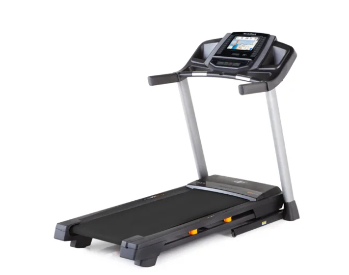
  1. NordicTrack T Series
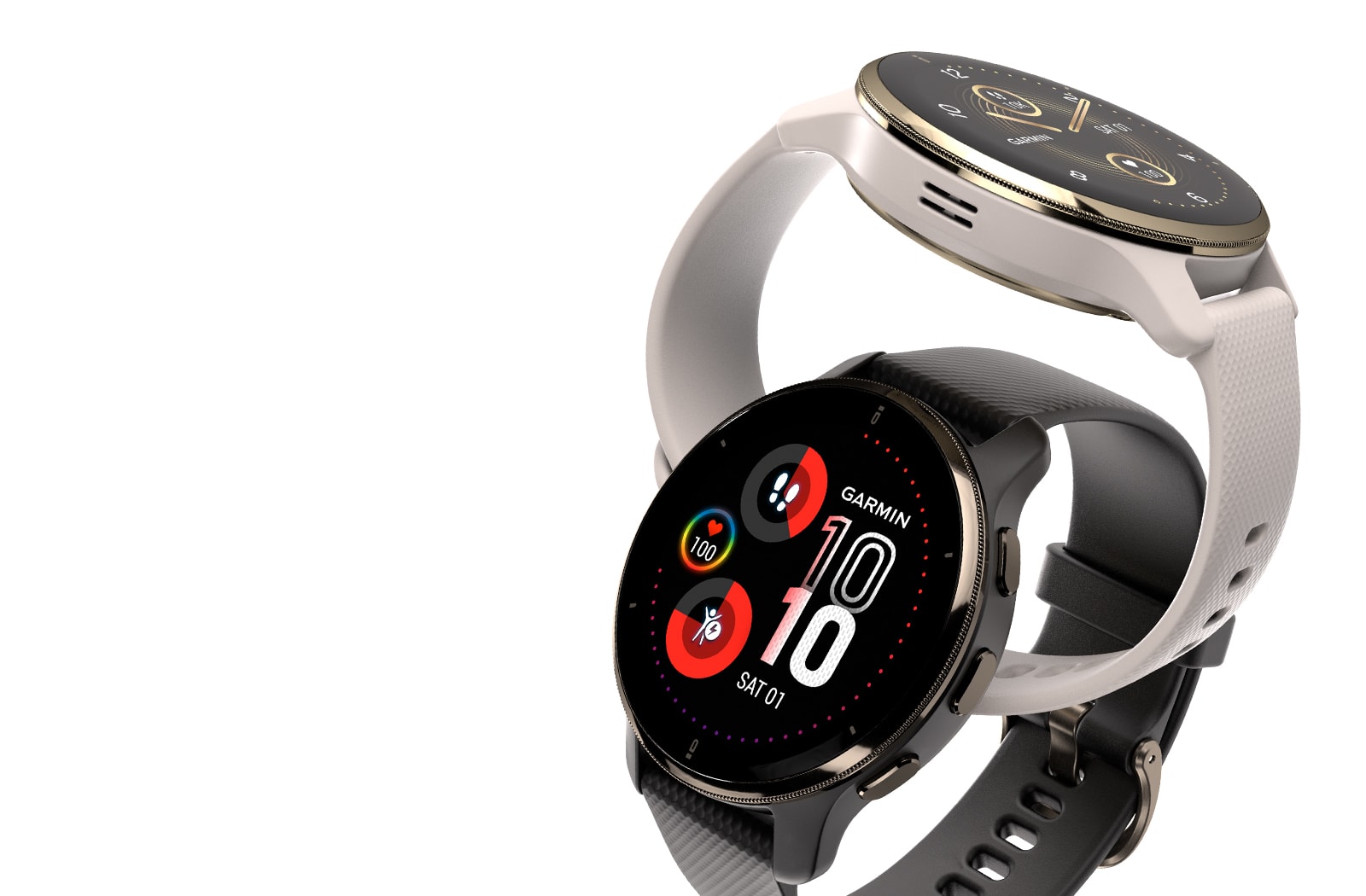
  2. Garmin Venu 2 Plus Fitness Watch

Frequently asked questions about Smart Home Gym. 

1. What factors should you consider when choosing the best Smart home gym for your needs? 
2. What are some popular brands known for their high-quality Smart home gym equipment?
 4. What are the advantages of having a Smart home gym compared to going to a public gym? 
 5. What are some essential pieces of Smart equipment that every home gym should have?
 6. What are some common mistakes to avoid when setting up a Smart home gym?

 SMART HOME GYM

BENEFITS OF A SMART HOME GYM 

Imagine having access to a wide range of workout options at your fingertips. With a smart home gym, you can say goodbye to crowded fitness centers and hello to a personalized workout experience. From interactive workout sessions to real-time performance tracking, the possibilities are endless.

TRANSFORMING YOUR SPACE 

Setting up a smart home gym doesn't have to be complicated. By incorporating smart fitness equipment, such as connected exercise machines and wearable technology, you can create a seamless workout environment tailored to your preferences. Say goodbye to bulky, outdated equipment and hello to a sleek, modern fitness setup.

Smart Home Gym Equipment
nordictrack

UPGRADE YOUR HOME GYM 

NordicTrack T Series

Are you looking for the best treadmill on the market? Look no further than the NordicTrack T Series!
With dimensions of 78.5 inches L x 35.5 inches W x 59 inches H, this corded treadmill offers an interactive touchscreen and a 12% incline for a challenging workout experience.
Pros include a quiet, cushioned, smooth motion for a pleasant and safe run, as well as the ability to easily fold the treadmill to save space when not in use. The immersive touchscreen provides a wide range of program options to keep your workouts exciting.
While you will need to purchase a monthly membership for program access, the NordicTrack T Series is still an affordable option for a top-of-the-line treadmill. With various model packages available to suit your specific needs, you can choose the perfect treadmill for you.
Don't wait any longer to upgrade your home gym with the NordicTrack T Series treadmill. Order yours today and take your fitness to the next level!

Top Must-Have Smart Home Gym Equipment for 2024
                      Garmin Venu

TRACK YOUR FITNESS ACTIVITIES 

Garmin Venu 2 Plus Fitness Watch

Get the best of both worlds with the Garmin Venu 2 Plus fitness watch! Track your fitness activities with precision and style thanks to the ECG, GPS, and bright AMOLED display features. With a wide variety of tracking options and full smartwatch functionality for calls, emails, and notifications, this watch has everything you need to stay on top of your fitness game.
But that's not all- the Garmin Venu 2 Plus also boasts an incredibly long battery life, ensuring that you can keep going strong all day long. And with its sleek design, this watch looks great by every metric, making it a perfect accessory for any outfit.
Don't settle for less when it comes to your fitness goals. 


Related Topics 


Wednesday, January 14, 2026

Slovenia Fitness Industry: A promising Market in the Sports Investment Sector


SLOVENIA FITNESS INDUSTRY MARKET SIZE 

Hemdan M. Aly | QSCcomm Advisor

The Slovenian Fitness Industry lacks comprehensive official government reports like those from the Statistical Office of the Republic of Slovenia (SURS) on total market size, with data primarily from industry analyses and related sectors.

➡️PHYSICAL EDUCATION IN SCHOOLS 

It is mandatory for primary schools to provide 2–3 lessons (45 minutes each) of physical education (PE) per week. In secondary schools, it is mandatory to provide 1–3 lessons (45 minutes each) per week.The Ministry of Education, Science and Sports runs a national scheme for after-school HEPA promotion entitled Healthy Lifestyle (Zdrav življenjski slog). The aim of the project is to encourage primary school children to adopt a healthy lifestyle. The programme currently reaches 20–30% of the primary school population and provides a further five hours of physical activity per week on top of the mandatory PE lessons during school hours. The National Programme for Nutrition and HEPA 2015–2025, implemented in 2015, also promotes active travel to school.(European Education and Culture Executive Agency,2026)

Sports goods manufacturing, a proxy indicator, reached €165.1 million in 2025, growing at a CAGR of 10.1% from 2020-2025 due to health trends and exports.
Gym and training footwear revenue stood at US$22.20 million in 2025, projecting 1.93% CAGR to 2030 amid rising fitness participation.

MARKET STRUCTURE 

Slovenia hosts around 200-300 fitness centers, concentrated in Ljubljana and coastal areas, serving a population of 2.1 million with penetration below EU averages (e.g., 10-15% membership rate vs. 20% regional).
Chains like FitInn and local independents dominate, focusing on group classes and personal training; digital apps add growth via tracking features.
Broader Europe gym market (€30+ billion) positions Slovenia at ~0.5-1% share, with 86 sports manufacturing firms supporting equipment supply.


GROWTH DRIVERS 

National SLOfit surveillance since 1983 tracks 90% of youth fitness, promoting lifelong activity amid WHO-noted inactivity risks (25% adults insufficiently active).
Post-COVID wellness boom, urbanization, and EU funds for sports infrastructure fuel demand; fitness trackers and apps project strong rises (Europe: $24.73B in 2025).[
Health clubs globally eye $111.11B in 2025 (9.5% CAGR), with Slovenia benefiting from tourism and corporate programs.

KEY SEGMENTS AND PROJECTIONS 

Smart fitness globally hits $88.82B in 2025 (11.4% CAGR), influencing Slovenia via imports. No SURS direct fitness club data; estimates derive from EU benchmarks and sector reports.

CHALLENGES AND OPPORTUNITIES 

Low rural access and economic pressures limit penetration, but government physical activity profiles and EU integration spur investments.
Trends include hybrid models and sustainability, with digital fitness at 24.3% global CAGR.
Future growth ties to 9.2% health club expansion to $157.99B globally by 2029.


REFERENCES 

1. Sports Goods Manufacturing in Slovenia Industry Analysis ... https://www.ibisworld.com/slovenia/industry/sports-goods-manufacturing/200198/
2. Gym & Training - Slovenia | Statista Market Forecast https://www.statista.com/outlook/cmo/footwear/gym-training/slovenia
3. Health and Fitness Club Market Report 2025 https://www.researchandmarkets.com/reports/6035149/health-fitness-club-market-report
4. Slovenia Digital Fitness Apps Market (2025-2031) https://www.6wresearch.com/industry-report/slovenia-digital-fitness-apps-market
5. Global Smart Fitness Market Trends & Forecast, 2025-2032 https://www.coherentmarketinsights.com/market-insight/global-smart-fitness-market-1829
6. Fitness Trackers - Slovenia | Statista Market Forecast https://www.statista.com/outlook/hmo/digital-health/digital-fitness-well-being/fitness-trackers/slovenia
7. Europe Fitness Trackers Market Share & Growth, 2033 https://www.marketdataforecast.com/market-reports/europe-fitness-trackers-market
8. country physical activity factsheet 2024 https://cdn.who.int/media/docs/librariesprovider2/country-profiles/physical-activity/2024-country-profiles/physical-activity-2024-svn.pdf?sfvrsn=dd22cc93_5&download=true
9. Digital Fitness Market Report [2031]- Size, Share & Growth https://www.extrapolate.com/information-technology-communication-iot/digital-fitness-market/21589
10. Europe Gym And Health Club Industry Report 2025 https://www.cognitivemarketresearch.com/regional-analysis/europe-gym-and-health-club-market-report
11. European Education and Culture Executive Agency.URL:  https://national-policies.eacea.ec.europa.eu/youthwiki/chapters/slovenia/73-sport-youth-fitness-and-physical-activity

Thursday, February 19, 2026

How Smart Mirrors Transformed the Fitness Industry

Smart exercise Mirror

HISTORICAL EVOLUTION OF SMART MIRROR

Hemdan M. Aly | QSCcomm Advisor

Highlights:
■ HISTORICAL EVOLUTION OF SMART MIRROR
■ FROM A SIMPLE REFLECTIVE SURFACE TO AN INTERACTIVE DIGITAL PORTAL
THE BUSINESS MODEL REVOLUTION (FROM PRODUCT TO SERVICE)
■ REDEFINING THE "HOME GYM"
■ THE DATA & PERSONALIZATION PARADIGM
■ SOCIOCULTURAL IMPACT AND BEHAVIORAL SHIFTS


The contemporary smart exercise mirror, a sleek fixture in the modern home gym, is the product of a multifaceted historical evolution rather than a discrete invention. Its emergence represents a convergence of enduring practices of bodily discipline, the aesthetic and functional role of the mirror in self-optimization, and the late-stage digital revolution's imperatives for connectivity and datafication. To understand its history is to trace how a simple reflective surface—long a tool for self-scrutiny—was technologically augmented to become an interactive portal for immersive, algorithmically-guided fitness.

This transformation is rooted in deeper cultural shifts. The mirror’s transition into a "smart" device reflects a longer history of techniques of the observer (Crary, 1990), where technological interfaces reconfigure our relationship to our own image and mediated instruction. Furthermore, its function aligns with modern mechanisms of bio-power and self-discipline (Foucault, 1977), as it facilitates constant self-surveillance and the internalization of performance norms within the domestic sphere. The market for such a device was forged by the 20th-century move toward privatized fitness, a shift documented in histories of the American fitness movement (Green, 1986), which saw exercise migrate from communal institutions into the home, aided by media like television and video.

The smart mirror is a direct successor to the home video workout era, but it crucially adds a layer of real-time feedback and data integration. It thus sits at the nexus of the "quantified self" (Lupton, 2016), transforming physical exertion into analyzable metrics, and the domestication of screen technology (Spigel, 1992), as it negotiates its place within the aesthetic and social dynamics of private living space. Its design and marketing also inevitably engage with persistent gendered norms surrounding fitness, technology, and the body (Boyer & England, 2008). Therefore, the history of the smart exercise mirror is a history of converging lineages: of the mirror as an object, the home as a site for wellness consumption, and the screen as an interactive trainer, culminating in a device that reframes the age-old act of looking at oneself into a digitally networked ritual of health optimization.

SMART EXERCISE MIRROR 

FROM A SIMPLE REFLECTIVE SURFACE TO AN INTERACTIVE DIGITAL PORTAL 


The journey of the smart exercise mirror from a simple reflective surface to an interactive digital portal marks a pivotal shift in fitness technology. This evolution is part of a broader historical pattern where everyday objects are technologically augmented to create new consumer markets and behavioral norms. As noted in research from the Consumer Technology Association (CTA, 2023), the "integration of displays into the home environment" represents a key trend in the "connected health" sector. This transformation signifies the turning of the private, domestic space—once a realm of passive media consumption—into an active site for digitally-mediated bodily discipline and optimization, a process scholars link to the technologizing of domestic life (Spigel, 1992). The mirror, therefore, is not merely a product but a site where historical practices of self-observation collide with modern digital platforms.

THE BUSINESS MODEL REVOLUTION 

(FROM PRODUCT TO SERVICE)

The smart mirror fundamentally altered the economic landscape of home fitness by championing a hardware-enabled, subscription-based service model. This transition from a one-time capital expenditure to a recurring operational cost mirrors the wider "servitization" trend across industries. According to market analysis, the direct-to-consumer fitness technology sector successfully leveraged this model to build high-value customer relationships, with average subscription revenue per user often exceeding traditional gym dues (Forbes, 2022). This approach creates a continuous value stream, locking consumers into an ecosystem where ongoing content is essential, effectively disrupting traditional fitness equipment retail. It represents a new phase in the commercialization of American fitness, moving beyond the sale of equipment to the perpetual sale of guided experience (Green, 1986).

REDEFINING THE "HOME GYM"


Smart mirrors have reimagined the spatial and aesthetic dimensions of the home gym. By condensing a studio's functionality into a sleek, reflective panel, they address a primary barrier to home fitness: spatial intrusion. This embodies a principle of "calm technology," where devices blend seamlessly into the domestic environment until needed (Weiser & Brown, 1996). A report from the International Health, Racquet & Sportsclub Association (IHRSA, 2023) highlights that convenience remains the top driver for home fitness adoption. The mirror capitalizes on this by eliminating commute time and offering immediacy, while its minimalist design allows it to "disappear," thus resolving the aesthetic conflict that often relegates exercise machines to basements. This reflects the ongoing domestication of screen-based technologies within the family ideal of the home (Spigel, 1992).

THE DATA & PERSONALIZATION PARADIGM 

At the core of the smart mirror's value proposition is its ability to personalize the fitness experience through data. This positions it firmly within the "quantified self" movement, where biometric monitoring and performance analytics become integral to the workout ritual (Lupton, 2016). Such devices act as "pedagogic agents," using data to instruct and correct users, thereby automating aspects of the coach's gaze (Williamson, 2015). While real-time form feedback via computer vision remains aspirational for many, the aggregation of workout history and preferences enables algorithmic curation of content. This creates a tailored fitness journey that adapts over time, promising a level of personalization previously unavailable. It also institutes a form of surveillance where the user is both the observer and the observed, a dynamic deeply rooted in modern techniques of discipline and self-regulation (Foucault, 1977).

SOCIOCULTURAL IMPACT AND BEHAVIORAL SHIFTS 


The rise of the smart mirror reflects and accelerates deeper sociocultural shifts in how fitness is perceived and practiced. It caters to a growing desire for privatized, on-demand wellness that fits within fragmented modern schedules. Scholars note how such technologies promote a form of "healthism," where responsibility for health is placed firmly on the individual, supported by consumer technology (Lupton, 2016). The mirror’s model offers privacy and reduces the perceived social intimidation of gyms, potentially increasing inclusivity. However, it also facilitates a hyper-individualized fitness culture that can diminish the communal aspects of traditional gyms, reframing exercise as a private transaction between the user, their data, and a digital platform. This evolution continues a long-term trend of fitness moving from public, institutional settings to private, mediated ones (Green, 1986).

CHALLENGES, CRITICISMS, AND COUNTER-MOVEMENTS 


Despite their appeal, smart mirrors face considerable challenges. The high combined cost of hardware and subscription creates an accessibility barrier, potentially exacerbating health inequities. Privacy advocates have consistently flagged the risks of devices with cameras and microphones collecting sensitive data within the home, noting vulnerabilities in data storage and sharing policies (Electronic Frontier Foundation [EFF], 2022). Furthermore, the traditional fitness industry has mounted a counter-strategy. As noted in industry reports, gyms are increasingly emphasizing their irreplicable social community and expert-led in-person instruction to differentiate themselves from digital offerings (IHRSA, 2023). This highlights a critical tension between the convenience of digitization and the enduring human value of shared physical space and interpersonal coaching, aspects that the mirror's quantified feedback cannot fully replicate.

THE FUTURE AND CONVERGING TRENDS 


The future trajectory of smart fitness mirrors lies in deeper technological convergence and ecosystem expansion. Industry forecasts predict increased integration with Augmented Reality (AR) to overlay form cues and virtual environments directly onto the user's reflection, moving towards truly immersive "exergaming" (ABI Research, 2023). The next frontier is advanced AI capable of acting as a fully adaptive personal trainer, analyzing movement in real-time for nuanced form correction—a significant leap from current functionality. Beyond fitness, these platforms are poised to become central wellness hubs, offering modules for telehealth and guided physical therapy. This expansion positions the mirror not just as a fitness tool, but as a comprehensive health interface within the smart home, further deepening the integration of technology into daily rituals of self-care.

CONCLUSION 
 
The smart exercise mirror is far more than a fitness gadget; it is a cultural artifact that crystallizes key trends of the 21st century: the digitization of everyday life, the rise of the subscription economy, and the datafication of the self. It has acted as a catalyst, transforming the home into a commercialized wellness space and shifting industry power dynamics. Its legacy will be measured in how it reshaped our expectations of fitness—prioritizing convenience, personalization, and data-driven feedback—while simultaneously surfacing enduring tensions around privacy, equity, and the human need for communal physical experience. The mirror, in holding up our digital and physical selves simultaneously, reflects the complex trade-offs of our technologically mediated pursuit of health, serving as a powerful symbol of an era where the boundaries between body, technology, and market are increasingly porous.


REFERENCES 

ABI Research. (2023). Augmented and Virtual Reality in Consumer Fitness. Market Forecast Report.

Consumer Technology Association (CTA). (2023). U.S. Consumer Technology One-Year Industry Forecast.

Electronic Frontier Foundation (EFF). (2022). Security and Privacy in the Age of the Smart Home.

Forbes. (2022). The Subscription Fitness Model: How DTC Brands Are Building Recurring Revenue. Forbes Business Council Analysis.

Foucault, M. (1977). Discipline and Punish: The Birth of the Prison. Vintage Books.

Green, H. (1986). Fit for America: Health, Fitness, Sport and American Society. Pantheon Books.

International Health, Racquet & Sportsclub Association (IHRSA). (2023). Health Club Consumer Report.

Lupton, D. (2016). The Quantified Self: A Sociology of Self-Tracking. Polity Press.

Spigel, L. (1992). Make Room for TV: Television and the Family Ideal in Postwar America. University of Chicago Press.

Weiser, M., & Brown, J. S. (1996). The Coming Age of Calm Technology. Xerox PARC.

Williamson, B. (2015). Algorithmic skin: Health-tracking technologies, personal analytics and the biopedagogies of digitized health and physical education. Sport, Education and Society, 20(1), 133-151.

Boyer, D., & England, M. (2008). Gender, the Body, and Fitness Technology. Leisure Studies, 27(2), 159–174.

Crary, J. (1990). Techniques of the Observer: On Vision and Modernity in the Nineteenth Century. MIT Press.

Foucault, M. (1977). Discipline and Punish: The Birth of the Prison. Vintage Books.

Green, H. (1986). Fit for America: Health, Fitness, Sport and American Society. Pantheon Books.

Lupton, D. (2016). The Quantified Self: A Sociology of Self-Tracking. Polity Press.

Spigel, L. (1992). Make Room for TV: Television and the Family Ideal in Postwar America. University of Chicago Press.


Related Topics 


Friday, April 26, 2024

The Booming Fitness Industry in China: Business Trends and Opportunities

Fitness Industry market in China

THE FITNESS INDUSTRY MARKET SIZE IN CHINA

"The rapid rise of mobile fitness apps in China is a clear reflection of the increasing fitness consciousness among the youth, leading to a diverse and evolving profit model." - Yuwen, Liang., Xiangyu, Lu. 

Highlights
  • The key drivers of the fitness industry in China is the rise of fitness trends and activities such as yoga, martial arts, and high-intensity interval training (HIIT).
  • The fitness industry in China is highly fragmented, with a mix of international and domestic players competing for market share.
  • The fitness industry in China is expected to continue growing in the coming years, driven by factors such as urbanization, changing lifestyles, and increasing awareness of the physical fitness.
The fitness industry market size in China has seen significant growth in recent years, reflecting a rise in health consciousness and disposable income among the Chinese population. With a population of over 1.4 billion people, China presents a lucrative market for fitness-related products and services. According to a report by Statista, the market size of the fitness industry in China was estimated to be around $5.1 billion in 2020, representing a substantial increase from previous years.

FEATURES OF THE FITNESS INDUSTRY MARKET IN CHINA

The growth of the fitness industry in China can be attributed to several factors, including
  1. - There is an increasing focus on health and wellness,
  2. -There is a rising obesity rates, and a growing middle class with more disposable income to spend on fitness-related activities.
  3. -One of the key drivers of the fitness industry in China is the rise of fitness trends and activities such as yoga, martial arts, and high-intensity interval training (HIIT). These activities have become increasingly popular among Chinese consumers, leading to a surge in demand for fitness facilities, equipment, and apparel.
  4. -In addition, the Chinese government has also been promoting healthy lifestyles and physical fitness through initiatives such as the National Fitness Program, which has further fueled the growth of the fitness industry in the country.

 FAMOUS INTERNATIONAL AND DOMESTIC PLAYERS IN THE FITNESS INDUSTRY MARKET IN CHINA  

PureGym, Anytime Fitness, and Fitness First

- The fitness industry in China is highly fragmented, with a mix of international and domestic players competing for market share. International fitness chains such as PureGym, Anytime Fitness, and Fitness First have been expanding their presence in China, capitalizing on the growing demand for fitness services among Chinese consumers.
- Domestic players such as Lefit and Supermonkey have also been gaining traction, offering affordable and convenient fitness options to cater to the needs of local consumers.

 FAMOUS DOMESTIC PLAYERS OF THE CHINESE FITNESS MARKET (Keep, Fiture, and Peloton)

- In addition to traditional fitness facilities such as gyms and fitness studios, the fitness industry in China has also seen a rise in online fitness platforms and mobile apps.
Companies such as Keep, Fiture, and Peloton have been gaining popularity among Chinese consumers, offering virtual fitness classes, personalized workout plans, and interactive fitness experiences.


This trend towards digital fitness solutions has been accelerated by the COVID-19 pandemic, which forced many fitness enthusiasts to turn to online platforms for their workout needs.
According to Bei, Wang. (2022) The fitness market size in China is growing significantly due to the national fitness strategy under the "Healthy China" era, promoting sports industry development and consumption.
The fitness industry in China is expected to continue growing in the coming years, driven by factors such as urbanization, changing lifestyles, and increasing awareness of the importance of physical fitness. As more Chinese consumers prioritize health and wellness, the demand for fitness-related products and services is only set to increase, creating opportunities for both domestic and international companies operating in the fitness industry.

CHALLENGES OF THE FITNESS INDUSTRY MARKET SIZE IN CHINA

Despite the growth potential of the fitness industry in China, there are also challenges that companies need to navigate, such as:

  1. - Intense competition, regulatory hurdles, and cultural barriers.
  2. - Companies entering the Chinese market need to understand the unique preferences and behaviors of Chinese consumers, adapt their offerings to suit local tastes, and navigate the complex regulatory environment to succeed in this dynamic market.
In conclusion, the fitness industry market size in China is experiencing robust growth, driven by factors such as increasing health consciousness, rising disposable income, and the popularity of fitness trends and activities. With a large and diverse population, China presents a lucrative market for fitness-related products and services, offering opportunities for both domestic and international companies looking to tap into the growing demand for fitness in the country. As the fitness industry in China continues to evolve and expand, companies need to stay agile, innovate, and adapt to the changing needs and preferences of Chinese consumers to thrive in this competitive market.


Ready to level up your Fitness game? 🚀💥 Discover how to transform your health and well-being with Quantum Fitness and Smart Fitness ! 
Don't miss out! Join us on Lookup-Mind  now!


REFERENCES 
  1. Bei, Wang. (2022). Research on the Realization Path of Fitness Strategy under the Guidance of the “Healthy China” Era. Journal of Healthcare Engineering,  doi: 10.1155/2022/2102076
  2. Yuwen, Liang., Xiangyu, Lu. (2018). A Research on the Profit Model of Mobile Fitness Industry. DEStech Transactions on Economics, Business and Management,  doi: 10.12783/DTEM/ICEMS2018/25603